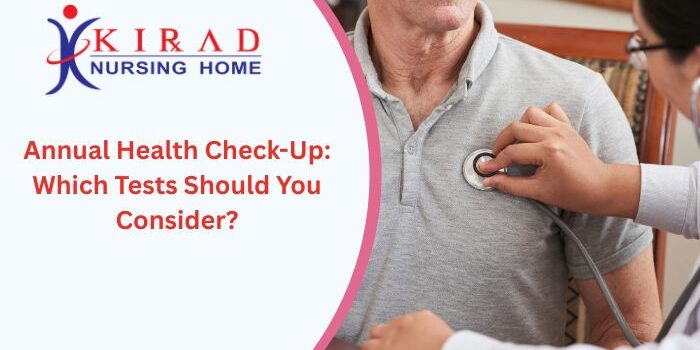
Many people wait for symptoms before visiting a doctor. By then, high blood sugar, raised cholesterol, or unchecked blood pressure may already be affecting the body. An annual health check-up is a planned yearly review that helps catch early warning signs and guides simple next steps.
Why an Annual Health Check-Up Matters
Routine screening looks for conditions that often begin quietly, including diabetes, hypertension, thyroid imbalance, and elevated cholesterol. Early detection supports timely lifestyle advice and follow-up. A yearly review also creates a baseline so gradual changes are easier to spot.
For a broader view of preventive care at the clinic, see general health check-up services.
Core Tests Most Adults Should Discuss
There is no universal package for every person. Many annual reviews include a physical exam plus focused blood and urine tests, adjusted for your risk.
Common building blocks include:
- Complete blood count (CBC): Helps assess anaemia, infection patterns, and general blood health.
- Blood sugar tests: Fasting glucose and, when appropriate, HbA1c, which reflects average sugar control over recent months.
- Lipid profile: Measures cholesterol and related fats linked with heart and vessel risk.
- Kidney function tests: Usually creatinine and related markers.
- Liver function tests: Help screen for liver strain from metabolic issues, medicines, or other causes.
- Urine routine examination: Can flag infection, protein loss, or other early clues.
- Blood pressure measurement: Still one of the most important screening steps.
- Weight and waist checks: Help assess metabolic risk alongside lab results.
Your physician may also review medicines, sleep, diet, stress, and tobacco or alcohol use during the same visit.
Blood Sugar and Diabetes Screening
Screening matters more if you have excess weight around the waist, a family history of diabetes, a history of gestational diabetes, or previous borderline sugar readings.
Two tests often come up:
- Fasting plasma glucose: Taken after an overnight fast.
- HbA1c: Often does not require fasting and reflects longer-term sugar trends.
Results need clinical context. Raised sugar may lead to repeat tests, lifestyle advice, or closer monitoring. Learn more on the diabetes treatment page and the HbA1c test for diabetes.
Blood Pressure, Heart Risk, and Cholesterol
High blood pressure often has no dramatic early symptoms, yet it can strain the heart, brain, kidneys, and eyes over time. An annual check-up should include careful blood pressure measurement after a short rest.
A lipid profile usually looks at total cholesterol, LDL, HDL, and triglycerides. Raised lipids do not automatically mean you need medicine; age, smoking, blood pressure, diabetes risk, and family history guide decisions.
If hypertension is found or already known, your doctor may advise home monitoring, lower salt intake, activity, and medication when indicated. Read more about hypertension evaluation and care. An ECG is not mandatory every year for every healthy adult.
Thyroid, Kidney, and Liver Checks
Thyroid function tests
Thyroid problems can cause fatigue, weight change, mood shifts, hair thinning, or heat and cold intolerance. A TSH test is often the starting point; Free T4 may be added in selected cases. People with previous thyroid disease or suggestive symptoms may need closer testing. Discuss timing with your doctor and see thyroid care.
Kidney and liver panels
These tests matter especially if you have diabetes, hypertension, long-term painkiller use, fatty liver risk, or take medicines that need organ monitoring. Abnormal results do not always mean serious disease.
Age and Risk-Based Add-Ons
Your doctor may also suggest vitamin studies when symptoms support it, further cardiac assessment for strong risk factors, and age- or sex-based cancer screening pathways. Pregnant people, older adults, and those with multiple chronic illnesses often need an individualised schedule.
How to Prepare for Your Annual Health Check-Up
- Ask about fasting. Some tests need 8 to 12 hours without food. Water is usually allowed unless told otherwise.
- Carry previous reports and a current medicine list.
- Note symptoms such as fatigue, weight change, thirst, frequent urination, chest discomfort, or breathlessness.
- Share family history of early heart disease, diabetes, thyroid disease, or kidney disease.
- Mention supplements, as some products affect lab values or blood pressure readings.
What an Annual Check-Up Does Not Replace
A yearly package is not a substitute for urgent care. Sudden chest pain, severe breathlessness, or neurological weakness need immediate attention. It also does not replace ongoing care for diabetes, hypertension, asthma, or thyroid disease, which may need reviews more than once a year.
Frequently Asked Questions About Annual Health Check-Ups
1. How often should adults get an annual health check-up?
Most healthy adults benefit from a review about once a year. People with chronic illness or recent abnormal reports may need more frequent visits.
2. Which tests are usually included in an annual health check-up?
A typical discussion covers blood pressure, CBC, blood sugar (sometimes HbA1c), lipid profile, kidney and liver tests, urine routine, and weight or waist measures, with extras based on risk.
3. Do I need to fast before annual health check-up tests?
Often yes for fasting glucose and lipid profile. HbA1c may not require fasting. Confirm instructions with the clinic beforehand.
4. Can an annual health check-up detect problems before symptoms start?
Yes. Raised blood sugar, high blood pressure, and abnormal cholesterol are often found before obvious symptoms appear.
5. Are expensive full-body packages always better?
Not necessarily. A physician-guided panel matched to your age and risk is usually more practical than the largest package.
6. What should I do if a report is slightly abnormal?
Do not self-diagnose from a single value. Share the report with your doctor for guidance on next steps.
7. Is an annual health check-up useful if I already feel healthy?
Yes. Feeling well does not rule out silent risk factors, especially with age over 30 to 40, family history, long sitting hours, smoking, excess weight, or prior borderline results.
Talk to Dr. Girish Kirad About Your Annual Health Check-Up
If you are planning preventive screening or need help with recent reports, consult Dr. Girish Kirad, Consulting Physician, Intensivist, and Diabetologist (M.B.B.S., F.C.P.S. Medicine, Diploma in Critical Care). He is Medical Director of Kirad Nursing Home, a 15-bed NABH-accredited nursing home in Chandan Nagar, Pune, with 25+ years of experience.
Opp. Pathare School, Bhaji Market, Chandan Nagar, Pune, Maharashtra 411014
Phone: +91 9096919892
Email: kiradnursinghome1@gmail.com
Timings: Monday to Saturday, 10 AM to 10 PM; Sunday, 10 AM to 10 PM
To book a visit or ask about a suitable screening plan, use the clinic contact page. Bring prior reports and share symptoms or family history so your annual health check-up can be planned around your needs.