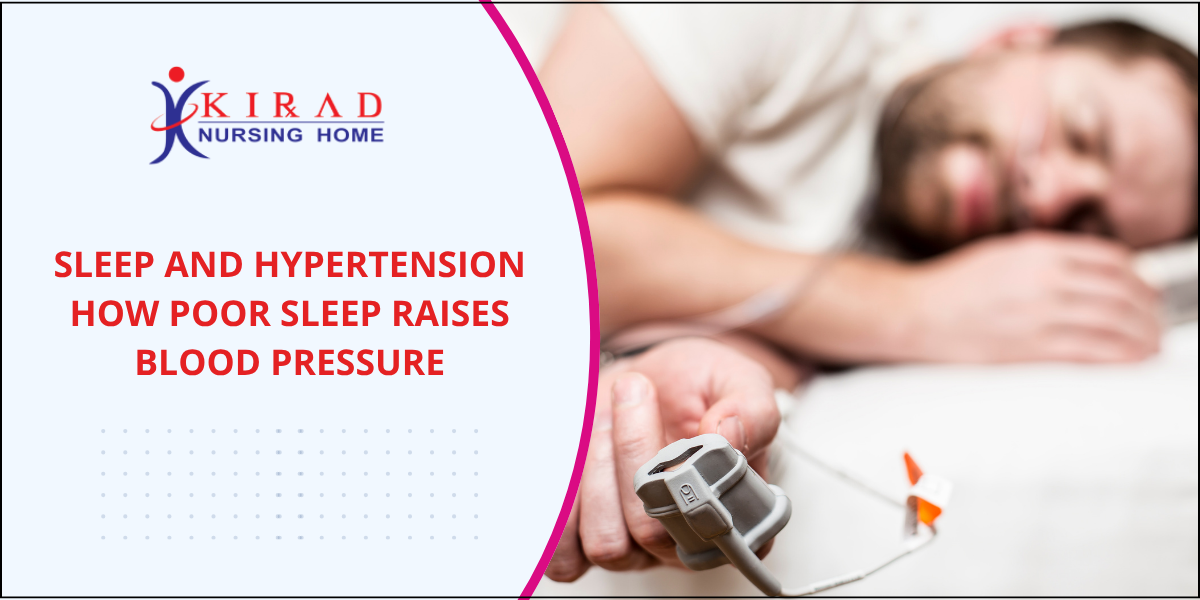
Sleep plays a vital role in maintaining overall health, including heart health and blood pressure control. While many people focus on diet, exercise, and stress management to prevent hypertension, sleep quality is often overlooked. However, poor sleep habits, insufficient sleep, and sleep disorders can significantly increase the risk of high blood pressure.
Hypertension, commonly known as high blood pressure, occurs when the force of blood against the artery walls remains consistently elevated. Over time, uncontrolled hypertension can increase the risk of heart disease, stroke, kidney problems, and other serious health complications.
How Does Sleep Affect Blood Pressure?
During healthy sleep, the body enters a state of rest where several important processes occur. One of the most important changes is a natural decrease in blood pressure, known as night-time dipping.
Normally, blood pressure drops by around 10–20% during sleep. This reduction allows the heart and blood vessels to recover from the day’s activities.
When sleep is disturbed or inadequate, this natural dipping pattern may not occur. Blood pressure can remain elevated throughout the night, putting extra stress on the cardiovascular system.
Over time, repeated sleep disruption may contribute to the development and worsening of hypertension.
Ways Poor Sleep Can Increase Blood Pressure
1. Increased Stress Hormones
Lack of proper sleep can increase the production of stress hormones such as cortisol and adrenaline. These hormones activate the body’s “fight or flight” response, causing:
- Increased heart rate
- Narrowing of blood vessels
- Higher blood pressure levels
When the body remains in a stressed state due to poor sleep, the cardiovascular system does not get enough time to relax and recover.
2. Sleep Deprivation and Blood Pressure Changes
Adults generally need around 7–9 hours of quality sleep each night. Regularly sleeping less than this amount may affect blood pressure regulation.
Sleep deprivation can lead to:
- Increased sympathetic nervous system activity
- Higher inflammation levels
- Changes in hormone balance
- Increased strain on the heart
People who consistently sleep fewer hours may have a greater risk of developing hypertension compared to those who maintain healthy sleep patterns.
3. Poor Sleep Quality and Night-Time Blood Pressure
It is not only the number of hours you sleep that matters. Sleep quality is equally important.
Frequent waking, restless sleep, or difficulty staying asleep can prevent the body from entering deeper restorative sleep stages.
Poor sleep quality may result in:
- Higher morning blood pressure
- Increased fatigue
- Poor concentration
- Greater stress levels
If someone regularly wakes up feeling tired despite spending enough time in bed, it may indicate an underlying sleep problem.
4. Connection Between Sleep Apnea and Hypertension
One of the strongest links between sleep and high blood pressure is obstructive sleep apnea (OSA).
Sleep apnea is a condition where breathing repeatedly stops and starts during sleep due to blockage of the airway. These interruptions reduce oxygen levels and force the body to repeatedly wake up to restore normal breathing.
Sleep apnea can cause:
- Sudden increases in blood pressure during sleep
- Increased stress hormone release
- Irregular heart rhythms
- Increased risk of cardiovascular problems
Common signs of sleep apnea include:
- Loud snoring
- Gasping or choking during sleep
- Morning headaches
- Excessive daytime sleepiness
- Difficulty concentrating
People with hypertension, especially difficult-to-control hypertension, may benefit from evaluation for sleep apnea.
5. Poor Sleep Can Affect Lifestyle Habits
Sleep and lifestyle are closely connected. When a person does not sleep well, they may experience:
- Increased cravings for unhealthy foods
- Reduced motivation for physical activity
- Weight gain
- Higher stress levels
These factors can indirectly contribute to increased blood pressure.
Maintaining healthy sleep habits supports better lifestyle choices and improves overall cardiovascular health.
Tips to Improve Sleep and Support Healthy Blood Pressure
Improving sleep quality can be an important part of managing hypertension. Some helpful habits include:
Maintain a Consistent Sleep Schedule
Try to sleep and wake up at the same time every day, including weekends.
Create a Relaxing Bedtime Routine
Avoid stressful activities before bedtime. Reading, meditation, or gentle breathing exercises can help the body relax.
Limit Screen Exposure Before Sleep
Mobile phones, tablets, and laptops can interfere with the body’s natural sleep cycle.
Reduce Caffeine and Alcohol Intake
Avoid consuming caffeine late in the day, as it can affect sleep quality.
Create a Comfortable Sleep Environment
A quiet, dark, and comfortable bedroom can promote deeper sleep.
Stay Physically Active
Regular exercise helps improve sleep quality and supports healthy blood pressure levels.
Frequently Asked Questions
1. Can lack of sleep cause high blood pressure?
Yes. Regularly getting insufficient or poor-quality sleep can increase stress hormones, affect blood vessel function, and contribute to higher blood pressure levels.
2. How many hours of sleep are recommended for adults?
Most adults should aim for approximately 7–9 hours of quality sleep every night to support overall health and proper blood pressure regulation.
3. Can sleep apnea increase blood pressure?
Yes. Sleep apnea can cause repeated drops in oxygen levels and sudden blood pressure spikes during sleep. It is a common contributor to difficult-to-control hypertension.
4. Can improving sleep lower blood pressure?
Improving sleep quality, maintaining a regular sleep schedule, and treating sleep disorders may help support healthier blood pressure levels along with other lifestyle changes.
If you are struggling with high blood pressure, poor sleep, or symptoms that may be affecting your heart health, consult a qualified Hypertension Doctor in Chandan Nagar, Pune for proper evaluation and personalized guidance.
Get expert advice and take the right steps toward better blood pressure control and healthier sleep with Dr. Girish Kirad. Schedule your consultation today.