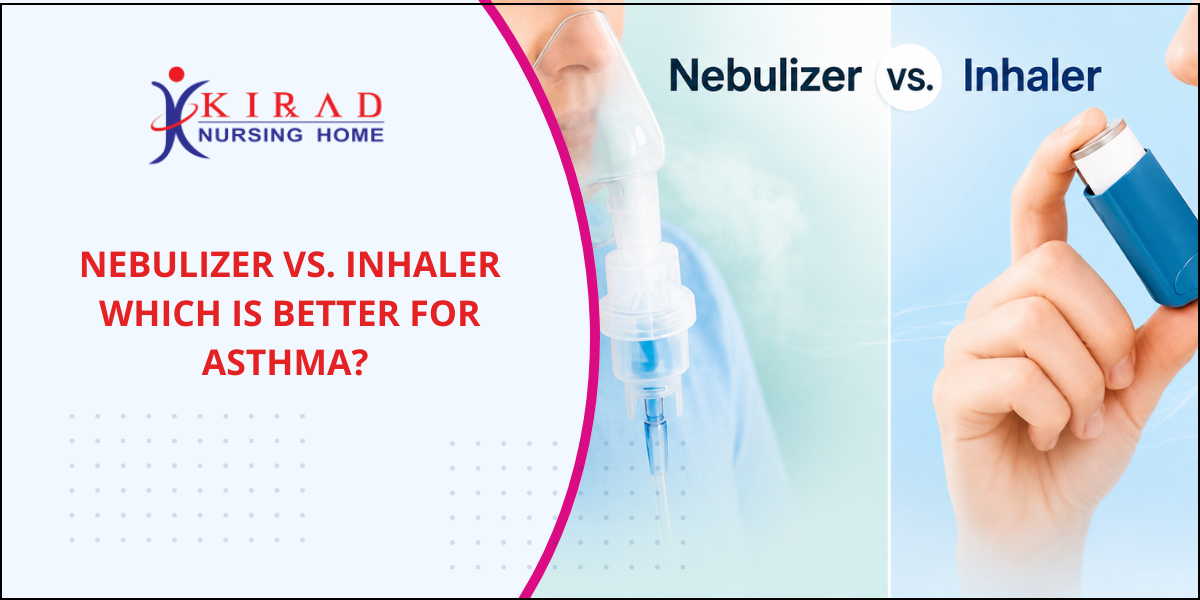
Asthma is one of the most common chronic respiratory conditions affecting millions of people worldwide. It causes inflammation and narrowing of the airways, making breathing difficult. Fortunately, modern treatments like nebulizers and inhalers help manage asthma effectively. But many patients often ask, “Which is better—a nebulizer or an inhaler?”
The answer depends on several factors, including your age, the severity of your asthma, and your ability to use the device correctly
What Is Asthma?
Asthma is a chronic lung disease that causes inflammation of the airways. During an asthma attack, the muscles around the airways tighten, the lining swells, and excess mucus is produced, making it difficult to breathe.
Common Symptoms of Asthma
- Shortness of breath
- Wheezing
- Persistent cough
- Chest tightness
- Difficulty breathing, especially at night or during exercise
Early diagnosis and proper treatment can significantly improve quality of life.
What Is an Inhaler?
An inhaler is a portable handheld device that delivers medication directly into the lungs in the form of a fine spray or dry powder.
Types of Inhalers
Metered Dose Inhaler (MDI)
This inhaler releases a measured dose of medication when pressed. Many patients use it with a spacer for better medication delivery.
Dry Powder Inhaler (DPI)
This device delivers medication as a dry powder and requires the patient to inhale forcefully.
Advantages of an Inhaler
- Quick relief during asthma attacks
- Compact and easy to carry
- Delivers medication directly to the lungs
- Less medication wastage
- Cost-effective in the long run
- Suitable for daily asthma management
What Is a Nebulizer?
A nebulizer is an electric or battery-operated machine that converts liquid medicine into a fine mist. Patients inhale the mist through a face mask or mouthpiece over several minutes.
Nebulizers are commonly used for young children, elderly patients, or individuals experiencing severe asthma attacks.
Advantages of a Nebulizer
- Easy to use
- Requires minimal coordination
- Ideal for infants and elderly patients
- Helpful during severe asthma flare-ups
- Can deliver larger doses of medication
Which Is More Effective?
One common misconception is that nebulizers are stronger than inhalers. In reality, both devices deliver asthma medication effectively when used correctly.
Research shows that a properly used inhaler with a spacer can provide the same therapeutic benefit as a nebulizer for most asthma patients.
The biggest difference lies in how the medication is delivered, not the medication itself.
Tips for Better Asthma Control
Besides using the right device, follow these tips to keep asthma under control:
- Take medications exactly as prescribed.
- Avoid smoking and secondhand smoke.
- Identify and avoid allergy triggers.
- Keep your vaccinations up to date.
- Exercise regularly with medical guidance.
- Attend regular follow-up appointments.
- Always carry your rescue inhaler.
Frequently Asked Questions
1. Is a nebulizer better than an inhaler for asthma?
Not necessarily. Both are equally effective when used correctly. The best option depends on the patient’s age, asthma severity, and ability to use the device.
2. Which is faster during an asthma attack?
A rescue inhaler usually works within minutes. Nebulizers are often used during severe attacks or when inhaler use is difficult.
3. Can children use inhalers?
Yes. Children can safely use inhalers with a spacer and face mask under medical supervision.
4. How often should I use my inhaler?
Only as prescribed by your doctor. Overusing a rescue inhaler may indicate poorly controlled asthma.
Expert Asthma Treatment in Chandan Nagar, Kharadi
If you’re looking for expert asthma treatment in Chandan Nagar or Kharadi, schedule a consultation with Dr. Girish Kirad. Get the right diagnosis, personalized treatment, and ongoing support to manage your asthma effectively and enjoy a healthier, more active life.