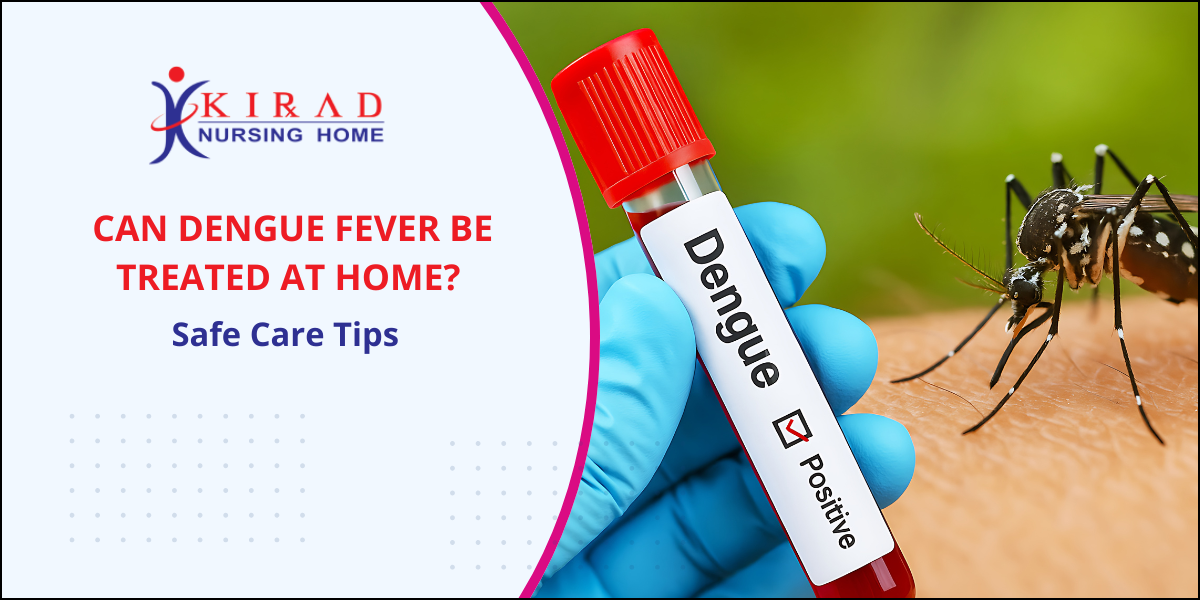
Dengue fever is a common mosquito-borne illness that affects millions of people every year, especially in tropical and subtropical regions. It is caused by the Dengue Virus and is primarily transmitted through the bite of infected Aedes aegypti mosquito. Many people diagnosed with dengue often wonder: Can dengue fever be treated at home?
The good news is that most mild dengue cases can be managed at home with proper care, rest, and hydration. However, it is very important to monitor symptoms carefully because dengue can sometimes become severe and require immediate medical attention.
What Is Dengue Fever?
Dengue Fever is a viral infection spread through the bite of infected mosquitoes. The disease is common in many parts of Asia, Africa, and Latin America.
Typical symptoms usually appear 4–10 days after a mosquito bite and may include:
- High fever
- Severe headache
- Pain behind the eyes
- Muscle and joint pain
- Nausea and vomiting
- Skin rash
- Fatigue and weakness
In most cases, dengue fever lasts about 7 to 10 days and patients recover with proper care.
Can Dengue Fever Be Treated at Home?
Yes, mild dengue fever can often be treated at home under medical guidance. There is no specific antiviral medicine for dengue, so treatment mainly focuses on managing symptoms and supporting the body during recovery.
Home treatment usually involves:
- Adequate rest
- Drinking plenty of fluids
- Taking fever-reducing medication (as prescribed by a doctor)
- Monitoring symptoms closely
Safe Home Care Tips for Dengue Fever
1. Drink Plenty of Fluids
Hydration is one of the most important aspects of dengue care. Fever and vomiting can cause dehydration.
Helpful fluids include:
- Water
- Coconut water
- Oral rehydration solution (ORS)
- Fresh fruit juices
- Soups and broths
2. Take Proper Rest
The body needs time and energy to fight the infection caused by the Dengue Virus.
Patients should:
- Get plenty of sleep
- Avoid physical exertion
- Rest until fever and weakness improve
Rest plays a crucial role in faster recovery.
3. Eat Light and Nutritious Foods
During dengue fever, patients often experience loss of appetite. Eating light, healthy foods can help maintain energy levels.
Recommended foods include:
- Fruits like papaya, oranges, and apples
- Vegetable soups
- Rice and porridge
- Yogurt
- Boiled vegetables
4. Monitor Platelet Count and Symptoms
One important concern in dengue infection is a drop in platelet count.
Doctors may recommend regular blood tests to monitor platelet levels. If the count drops significantly or symptoms worsen, medical treatment may be necessary.
Home monitoring should include checking for:
- Persistent vomiting
- Severe abdominal pain
- Bleeding from gums or nose
- Extreme weakness
When Home Care Isn’t Enough: The Warning Signs
The most dangerous mistake in treating dengue at home is missing the transition from a mild case to Dengue Hemorrhagic Fever (DHF). As the fever starts to subside (the Critical Phase), watch for these “Red Flags”:
- Severe abdominal pain or persistent vomiting.
- Bleeding from the gums or nose, or small red spots on the skin (petechiae).
- Vomiting blood or black, tarry stools.
- Rapid breathing or difficulty breathing.
- Extreme fatigue, irritability, or confusion.
- A sudden drop in body temperature (below 98°F) accompanied by cold, clammy skin.
Most mild cases of Dengue Fever can be managed safely at home with proper rest, hydration, and medical guidance. Drinking enough fluids, eating light nutritious food, monitoring symptoms, and avoiding unsafe medications are essential steps for recovery. However, dengue should never be ignored.
If you or your family members experience symptoms of dengue, it is always best to consult an experienced physician for proper diagnosis and guidance. Dr. Girish Kirad, an Internal Medicine Expert provides medical consultation and guidance for dengue fever and other health conditions.
Doctor: Dr. Girish Kirad
Location: Chandan Nagar, Kharadi, Pune
Phone: 09096919892
Visit : https://drgirishkirad.com/
Frequently Asked Questions (FAQs)
1. What are the first symptoms of dengue fever?
The early symptoms of Dengue Fever usually include high fever, severe headache, body pain, joint pain, nausea, and fatigue.
2. Is dengue fever contagious?
No, Dengue Fever does not spread directly from person to person. It spreads through the bite of an infected Aedes aegypti mosquito.
3. Is papaya leaf juice helpful in dengue?
Some people believe papaya leaf juice may help improve platelet levels, but it should only be taken after consulting a doctor.
4. Can dengue occur more than once?
Yes, a person can get Dengue Fever more than once because there are different types of the dengue virus.