
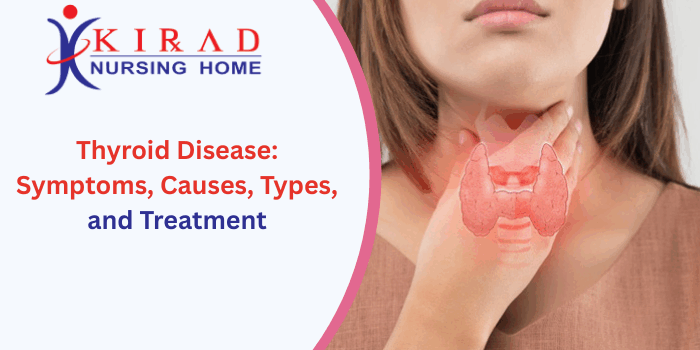
Thyroid disease is a common yet often misunderstood health condition that affects millions of people worldwide. The thyroid is a small, butterfly-shaped gland located at the front of the neck, but its impact on the body is anything but small. It plays a vital role in regulating metabolism, energy levels, heart rate, and even mood. When the thyroid doesn’t function properly, it can disrupt many systems in the body. Understanding thyroid disease—its symptoms, causes, types, and treatment options—can help with early detection and better management.
What Is Thyroid Disease?
Thyroid disease occurs when the thyroid gland produces either too much or too little thyroid hormone. These hormones control how quickly the body uses energy, generates heat, and keeps organs working efficiently. Even slight imbalances can lead to noticeable health issues over time.
Symptoms of Thyroid Disease
Thyroid disease symptoms vary depending on whether the gland is overactive or underactive. Many symptoms are subtle at first and can be mistaken for stress, aging, or other conditions.
Common symptoms include:
-
Fatigue or low energy
-
Unexplained weight gain or weight loss
-
Sensitivity to cold or heat
-
Hair thinning or hair loss
-
Dry skin or brittle nails
-
Mood changes, including anxiety or depression
-
Irregular heartbeat
-
Changes in appetite
-
Menstrual irregularities or fertility issues
Because symptoms develop gradually, thyroid disease often goes undiagnosed until blood tests are performed.
Causes of Thyroid Disease
There is no single cause of thyroid disease. Instead, several factors may contribute to its development.
Key causes include:
-
Autoimmune disorders: Conditions like Hashimoto’s disease and Graves’ disease cause the immune system to attack the thyroid.
-
Iodine imbalance: Too little or too much iodine in the diet can affect thyroid hormone production.
-
Genetics: A family history of thyroid problems increases risk.
-
Hormonal changes: Pregnancy, menopause, and other hormonal shifts may trigger thyroid issues.
-
Medications: Certain drugs can interfere with thyroid hormone production.
-
Radiation exposure: Radiation therapy to the neck or chest can damage the thyroid gland.
Understanding the underlying cause is essential for choosing the most effective treatment.
Types of Thyroid Disease
There are several types of thyroid disorders, each with distinct characteristics.
1. Hypothyroidism
This occurs when the thyroid produces too little hormone. It is the most common type of thyroid disease and often develops slowly.
Common signs: weight gain, fatigue, depression, cold sensitivity, and slow heart rate.
2. Hyperthyroidism
This condition happens when the thyroid produces too much hormone, speeding up bodily functions.
Common signs: weight loss, anxiety, rapid heartbeat, sweating, and irritability.
3. Hashimoto’s Thyroiditis
An autoimmune condition that leads to hypothyroidism. It is a leading cause of underactive thyroid, especially in women.
4. Graves’ Disease
Another autoimmune disorder, but it causes hyperthyroidism. It may also affect the eyes, leading to swelling or vision problems.
5. Thyroid Nodules
These are lumps that form within the thyroid gland. Most are benign, but some may be cancerous and require further testing.
6. Thyroid Cancer
Although rare, thyroid cancer can develop in thyroid cells and usually has a high treatment success rate when detected early.
Diagnosis and Treatment of Thyroid Disease
Diagnosis
Thyroid disease is typically diagnosed through:
-
Blood tests measuring TSH, T3, and T4 levels
-
Physical examination of the neck
-
Imaging tests such as ultrasound
-
Biopsy, if nodules are present
Early diagnosis helps prevent long-term complications.
Treatment Options for Thyroid Disease
Treatment depends on the type and severity of the condition.
Hypothyroidism Treatment
-
Daily synthetic thyroid hormone medication
-
Regular blood tests to monitor hormone levels
Hyperthyroidism Treatment
-
Anti-thyroid medications
-
Radioactive iodine therapy
-
Beta blockers to manage symptoms
-
Surgery in severe cases
Lifestyle Support
While medication is often necessary, lifestyle changes can support thyroid health:
-
Balanced diet with adequate iodine
-
Stress management
-
Regular exercise
-
Consistent sleep patterns
With proper treatment, most people with thyroid disease can live healthy, active lives.
Living With Thyroid Disease
Managing thyroid disease is usually a long-term process, but it doesn’t have to limit your quality of life. Regular checkups, medication adherence, and awareness of symptoms can make a significant difference. If you suspect thyroid issues, consulting a healthcare professional is the first step toward effective management.
Conclusion
Thyroid disease is manageable with timely diagnosis and proper treatment. If you notice symptoms, early care can make a big difference. Consult Dr. Girish Kirad for reliable and effective thyroid treatment in Chandan Nagar, Kharadi, Pune and take a confident step toward better thyroid health.
Book your appointment today.
FAQs
1. Is thyroid disease permanent?
Some thyroid conditions are temporary, but many require long-term treatment and monitoring.
2. Who is at higher risk for thyroid disease?
Women, people with a family history, and those with autoimmune disorders are at higher risk.
3. Does diet affect thyroid health?
Yes, a balanced diet with proper iodine and nutrients supports healthy thyroid function.
4. How often should thyroid tests be done?
Most patients need testing every 6–12 months or as advised by a doctor.