Asthma and allergies are two common conditions that often go hand in hand — and because their symptoms can overlap, it’s easy to get confused. Many people who suffer from sneezing, wheezing, or coughing wonder if they have asthma, allergies, or both. Understanding the key differences between the two can help you manage symptoms effectively and seek the right treatment at the right time.
Let’s break down how asthma and allergies differ, how they are connected, and what you can do to control them with proper medical care.
What Is Asthma?
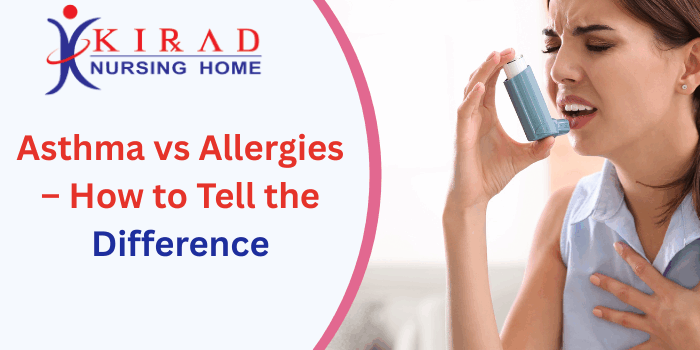
Asthma is a chronic respiratory condition that affects the airways in your lungs. It causes inflammation and narrowing of the air passages, making it difficult to breathe. Asthma can cause episodes of wheezing, chest tightness, shortness of breath, and coughing — particularly at night or early in the morning.
Common Asthma Triggers Include:
- Dust mites
- Air pollution and smoke
- Cold air or sudden weather changes
- Physical exercise
- Respiratory infections
- Strong odors or fumes
When exposed to these triggers, your airways become swollen and produce excess mucus, leading to breathing difficulties.
What Are Allergies?
Allergies occur when your immune system overreacts to substances that are normally harmless — such as pollen, pet dander, mold, or certain foods. These substances, called allergens, trigger the release of histamines in your body, causing inflammation and symptoms like sneezing, watery eyes, runny nose, or itchy skin.
Common Types of Allergies Include:
- Seasonal allergies (pollen or grass)
- Food allergies (nuts, shellfish, dairy)
- Skin allergies (eczema or hives)
- Dust and pet allergies
Allergies can affect the skin, digestive system, or respiratory system depending on the type and severity.
How Are They Connected?
Allergies and asthma share an important connection. People with allergies are more likely to develop asthma, especially if allergic reactions affect the respiratory tract. This condition is known as allergic asthma, where inhaled allergens like dust or pollen trigger asthma symptoms.
This link means that managing allergies can often help control asthma symptoms as well. By reducing exposure to allergens, you can prevent asthma flare-ups and improve overall lung health.
Diagnosis – How to Tell the Difference
Both conditions require proper diagnosis by a healthcare professional.
Asthma Diagnosis:
- Lung Function Tests (Spirometry): Measures how well your lungs are working.
- Peak Flow Test: Monitors how fast you can exhale air.
- Methacholine Challenge Test: Checks airway sensitivity.
Allergy Diagnosis:
- Skin Prick Test: Identifies allergic reactions to specific allergens.
- Blood Tests: Measures antibody levels (IgE) to allergens.
- Elimination Tests: For food allergies, eliminating and reintroducing certain foods can identify triggers.
Treatment Options for Asthma and Allergies
Asthma Management:
- Inhalers: Bronchodilators and corticosteroids help open airways and reduce inflammation.
- Avoiding Triggers: Limiting exposure to smoke, pollution, and allergens.
- Regular Monitoring: Keeping track of symptoms with peak flow meters.
Allergy Management:
- Antihistamines: Reduce sneezing, itching, and watery eyes.
- Allergy Shots (Immunotherapy): Help your body build tolerance to allergens.
- Environmental Control: Using air purifiers, frequent cleaning, and avoiding known allergens.
If you suspect you have either condition, consulting a specialist is essential. A proper diagnosis and treatment plan can significantly improve your quality of life.
When to See a Doctor
You should seek medical help if you experience:
- Frequent shortness of breath or wheezing
- Persistent coughing, especially at night
- Repeated allergic reactions or hives
- Tightness in the chest after exposure to triggers
Early diagnosis and treatment prevent complications and help control both conditions effectively.
Frequently Asked Questions (FAQs)
1. Can allergies cause asthma?
Yes. In many cases, inhaling allergens such as dust or pollen can trigger asthma symptoms, a condition known as allergic asthma.
2. How can I tell if I have asthma or just allergies?
If you experience wheezing, chest tightness, or difficulty breathing — especially after exposure to allergens or exercise — it could be asthma. Allergies usually cause sneezing, itchy eyes, and nasal congestion.
3. Are asthma and allergies lifelong conditions?
Allergies may change or reduce with time, but asthma is usually a chronic condition that can be managed effectively with treatment.
4. Can seasonal allergies make asthma worse?
Yes, during high-pollen seasons, people with allergic asthma may notice increased breathing difficulties.
5. What is the best way to prevent asthma attacks triggered by allergies?
Avoid allergens, use prescribed medications regularly, and follow your doctor’s asthma action plan for the best results.
Conclusion
While asthma and allergies share similar symptoms, they affect the body differently and require distinct management strategies. Understanding your triggers, getting tested, and following a personalized treatment plan can help you breathe easier and live symptom-free.
If you’re unsure whether you have asthma, allergies, or both, consult an experienced doctor today.
Book your appointment with Dr. Girish Kirad, Asthma and Allergy Specialist in Chandan Nagar, for expert diagnosis and effective management of respiratory and allergy-related conditions. Early intervention can make all the difference in your long-term health.